
Catalogue
Heritage Selection
Properties whose architecture or history is the reason to notice them — waterfront estates, converted grounds and resorts that carry a past into the present stay.
Open Heritage SelectionIndependent and informational. Every property named here is operated by a third party; nothing on this site constitutes a reservation, an offer or an endorsement.
Independent hospitality guide
Mega Escape Spot describes eight properties — their setting, rooms, dining context and surroundings — then sends you to each official listing for the rest.
Catalogues
Two readings of the same set of properties: one through architecture and history, one through rooms, location and the area around them.
Catalogue
Properties whose architecture or history is the reason to notice them — waterfront estates, converted grounds and resorts that carry a past into the present stay.
Open Heritage Selection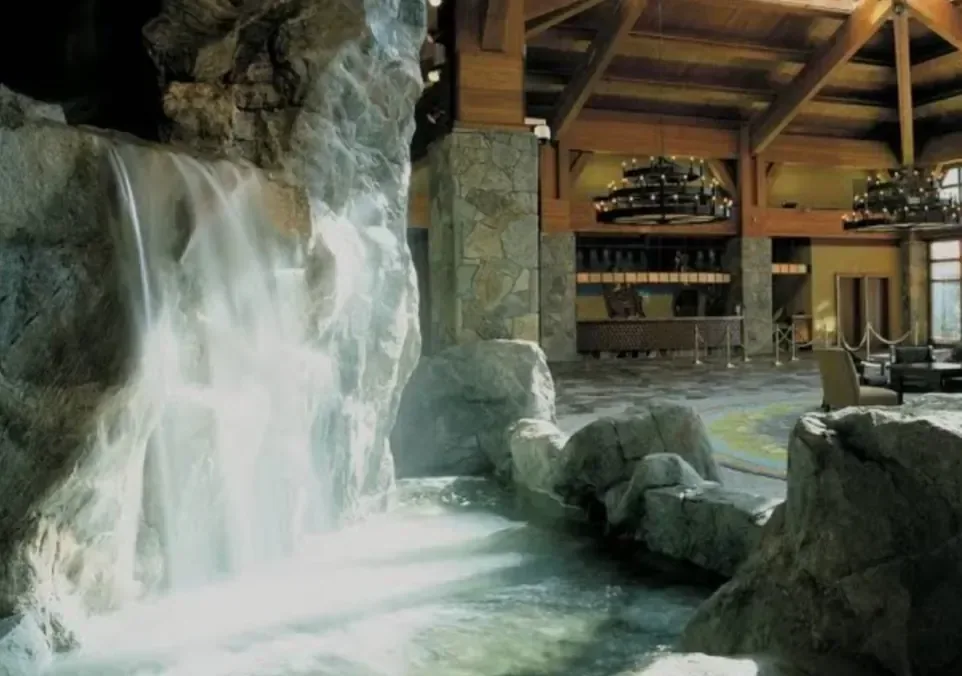
Catalogue
A cross-section of accommodation read through guest floors, city or resort location, and what sits beyond the property line.
Open Rooms and RegionsThis guide stops at description. Room types, house rules, dining hours and anything about availability live on each property’s own listing page — not here.
When a place interests you, follow the listing link on its catalogue card. That is the only step this site is designed to take.
Browse the Heritage SelectionReading a stay
A short checklist for reading any entry on this guide — useful whether you open Heritage Selection or Rooms and Regions next.
Ask first whether the property sits in countryside, on water, or inside a city grid. That frame shapes the rest of the stay more reliably than a list of facilities ever will.
Some properties keep rooms and entertainment levels tightly stacked; others spread them across a resort campus. Notice that relationship before you decide how the building will feel after dark.
Star class on this site is a published classification, not a ranking we invented. Use it to set expectations about finish and service style, then verify details on the official listing.
A downtown address and a rural resort ask different things of a guest. Match the region’s character to how you prefer to spend mornings and evenings once you leave the room.
Age limits, dress codes and access to restricted floors are set by the property. This guide can note that such areas exist; it cannot replace the house rules on the listing page.
Geography
Each tile names a real region drawn from the properties in the catalogues — not a travel itinerary, just context for where these stays sit.
River-facing resort country around La Malbaie, where historic hotels overlook the St. Lawrence shoreline.
Mountain valleys and open fairways around Cranbrook, with resorts set into a quieter inland landscape.
A prairie city edge where resort-scale and urban casino hotels sit within easy reach of downtown corridors.
A northern plains capital whose downtown hotels fold entertainment floors into a compact city grid.
Pickering and Rama sit on different edges of the same province — one suburban-resort, one countryside campus.
A Pacific downtown where high-rise guest floors share a footprint with large entertainment complexes.
Atmosphere
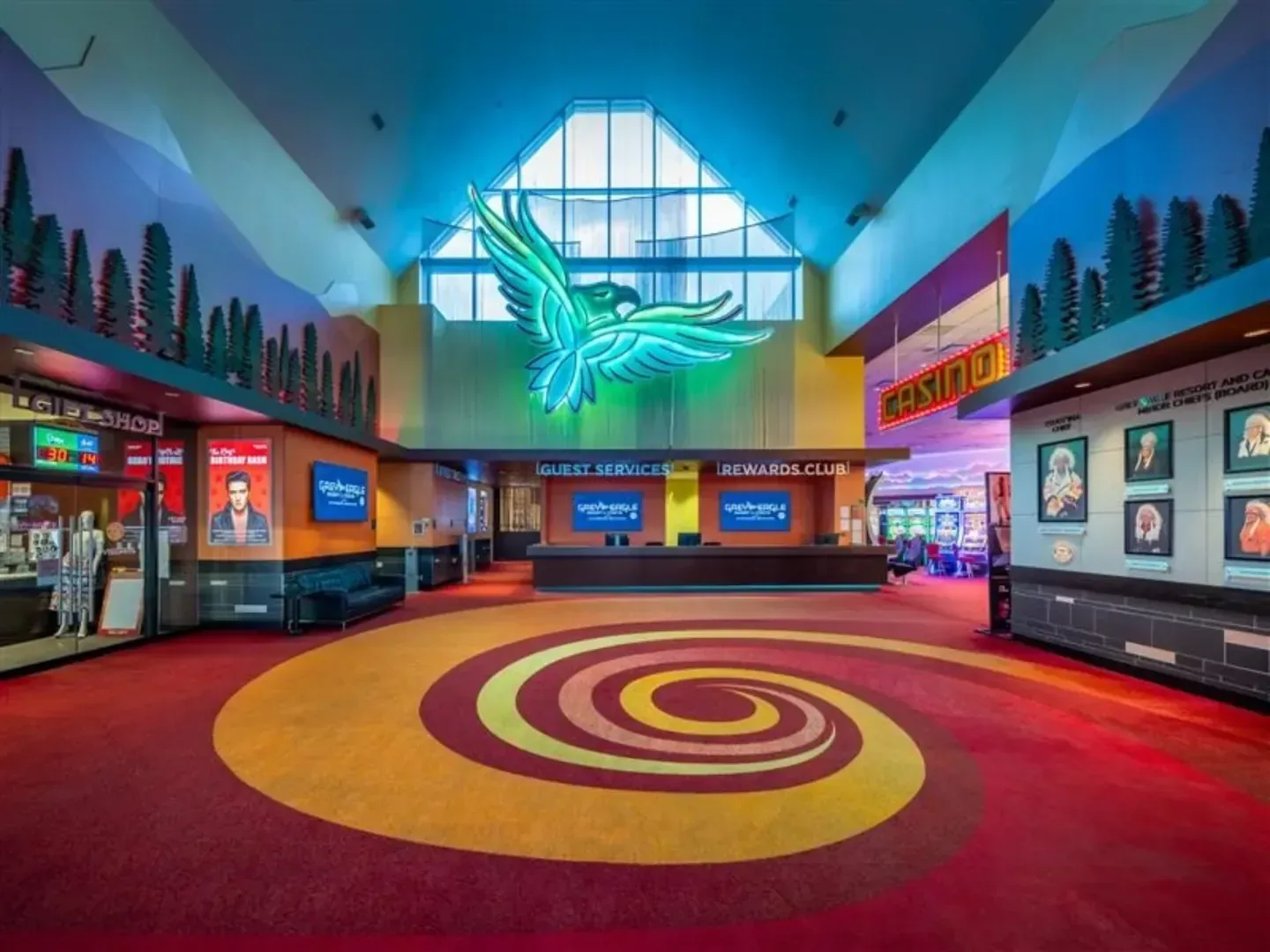
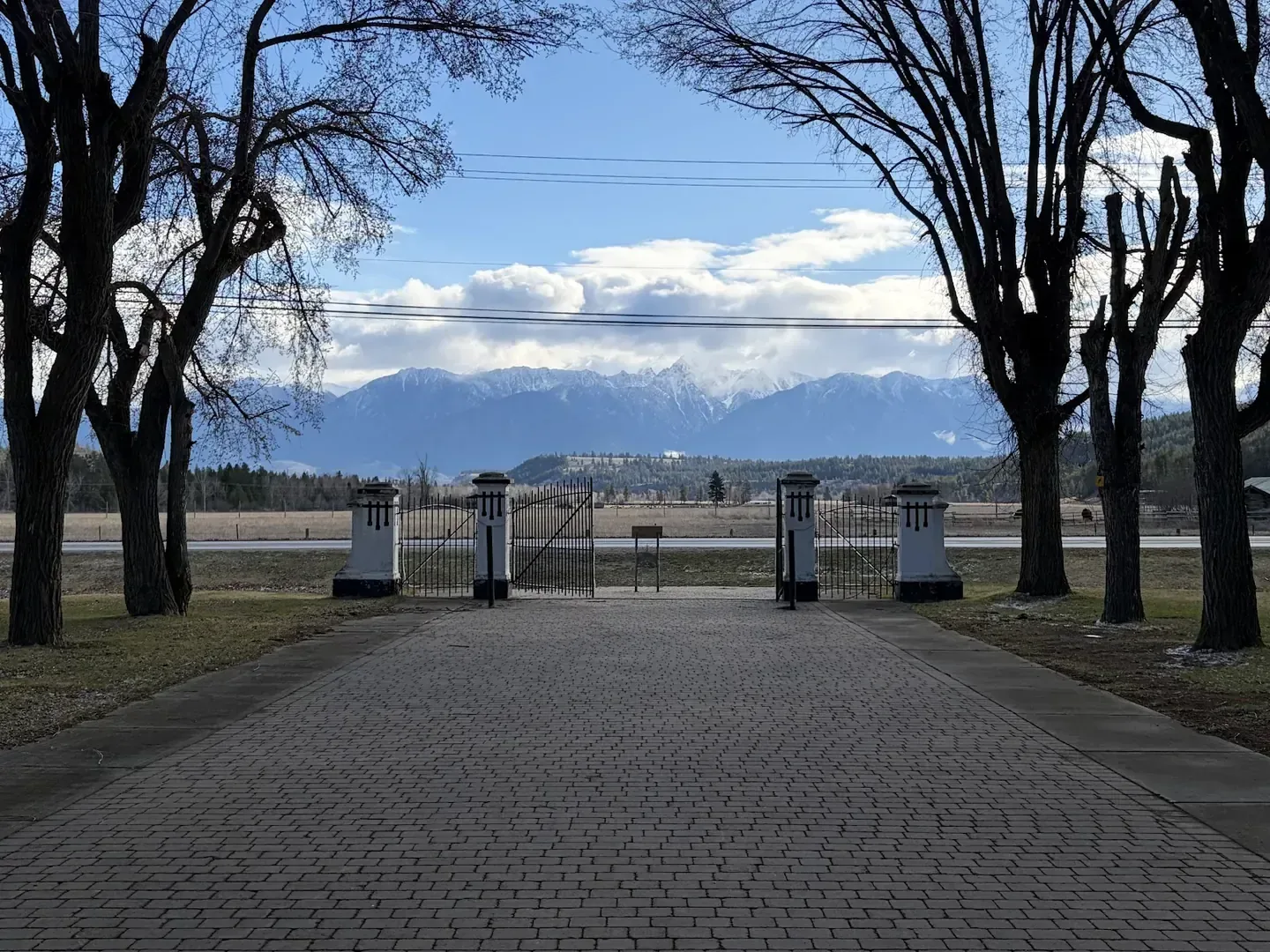
These properties are not interchangeable boxes. Light on stone, glass over a lobby, trees against a wing — the photographs in this guide are there to show how a building sits in its ground, not to sell a night.